About
Buffalo, New York
I've been building things for 35+ years—products, not just projects. From custom training manuals sold through sporting goods stores in the 1990s, to a personalized TV guide I hand-delivered across Western New York, to subscription software that's still running today after a successful exit.
The common thread: I see a problem, I build something, I figure out how to get it to people. The tools change. The pattern doesn't.
Now I'm building IoT hardware on a shared platform I call DuoCore, plus software ventures. The difference now is AI woven into every workflow—not as a product feature, but as an operating method.
The Long Version
My sophomore year at the University at Buffalo, I was fortunate to be on the baseball team. We played a Division I schedule—North Carolina, NC State, and other ACC teams. I wasn't the most gifted athlete, but I'd progressed through focus and deliberate practice. Coaches back then were more organizers than teachers, so I studied Charlie Lau's The Art of Hitting .300 and internalized his principles.
Shortly after graduating, I turned that into a product: The Athlete's Edge. A system that generated custom printed training manuals based on a questionnaire. The "engine" was probably the longest Microsoft Word macro ever written.
I had a 1-800 number ringing in my bedroom at my parents' house. My office chair wore a groove in the wood floor—still visible today. We advertised in The Sporting News and placed physical displays in sporting goods stores across Pennsylvania and Ohio.
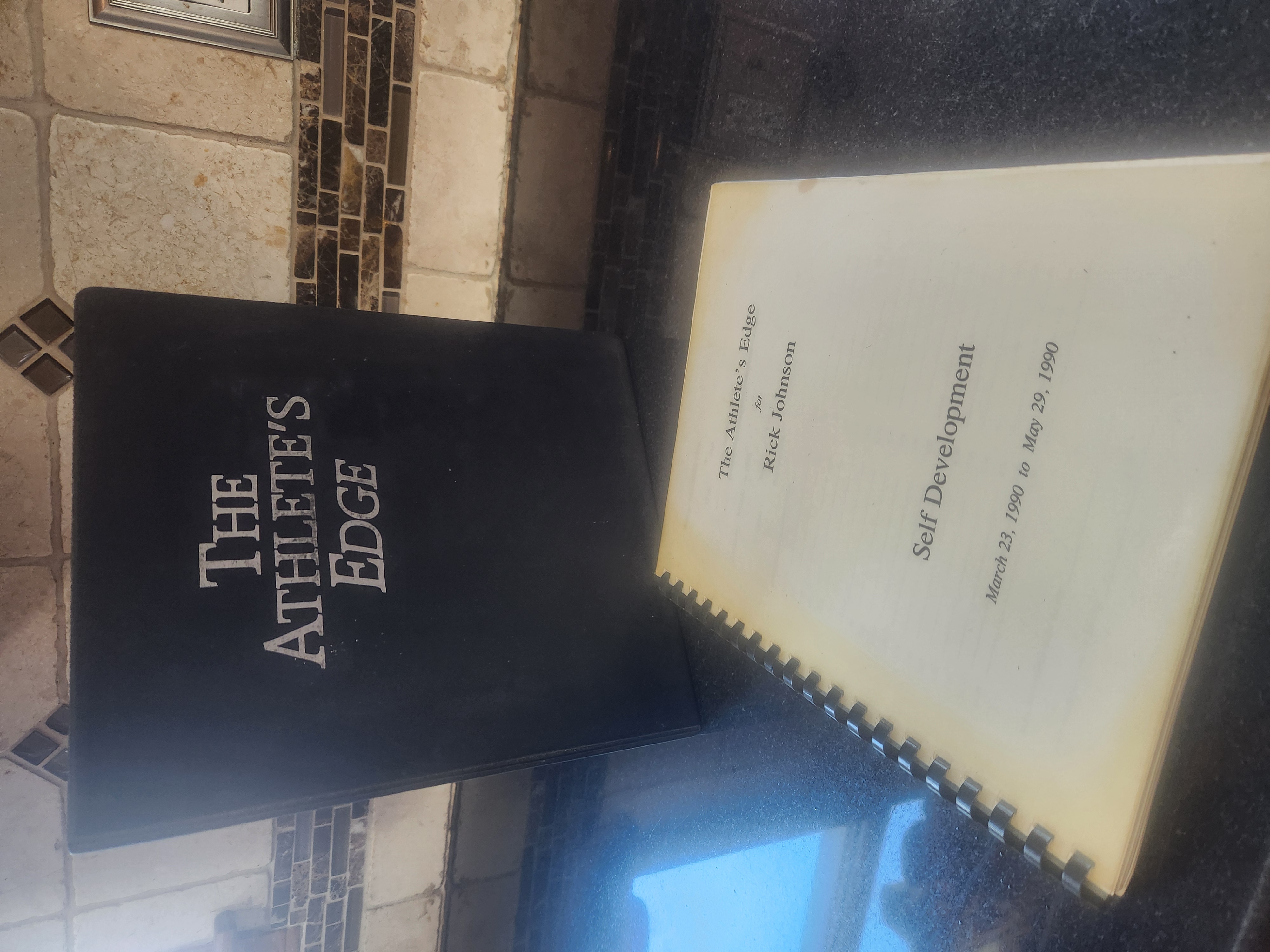
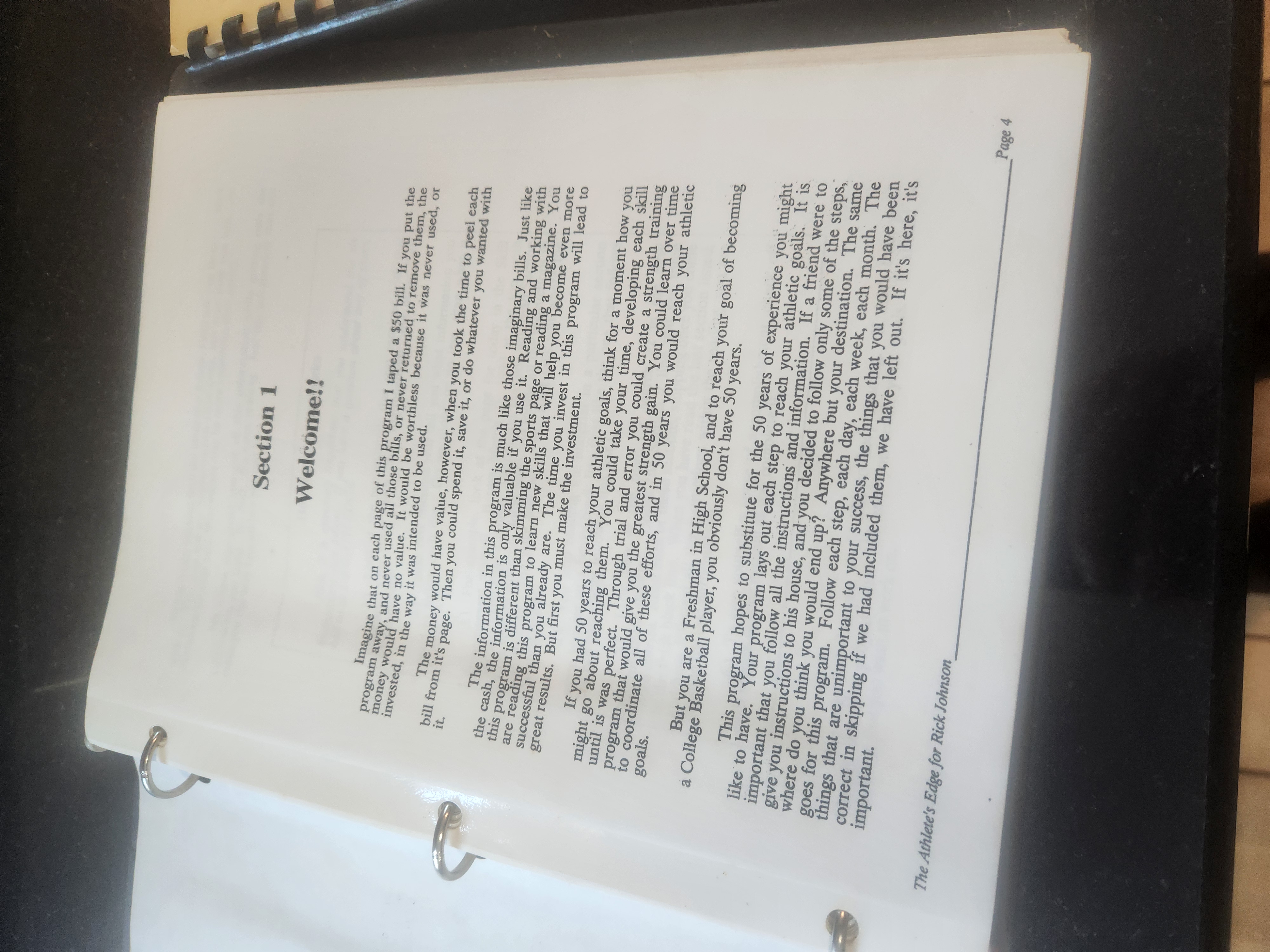
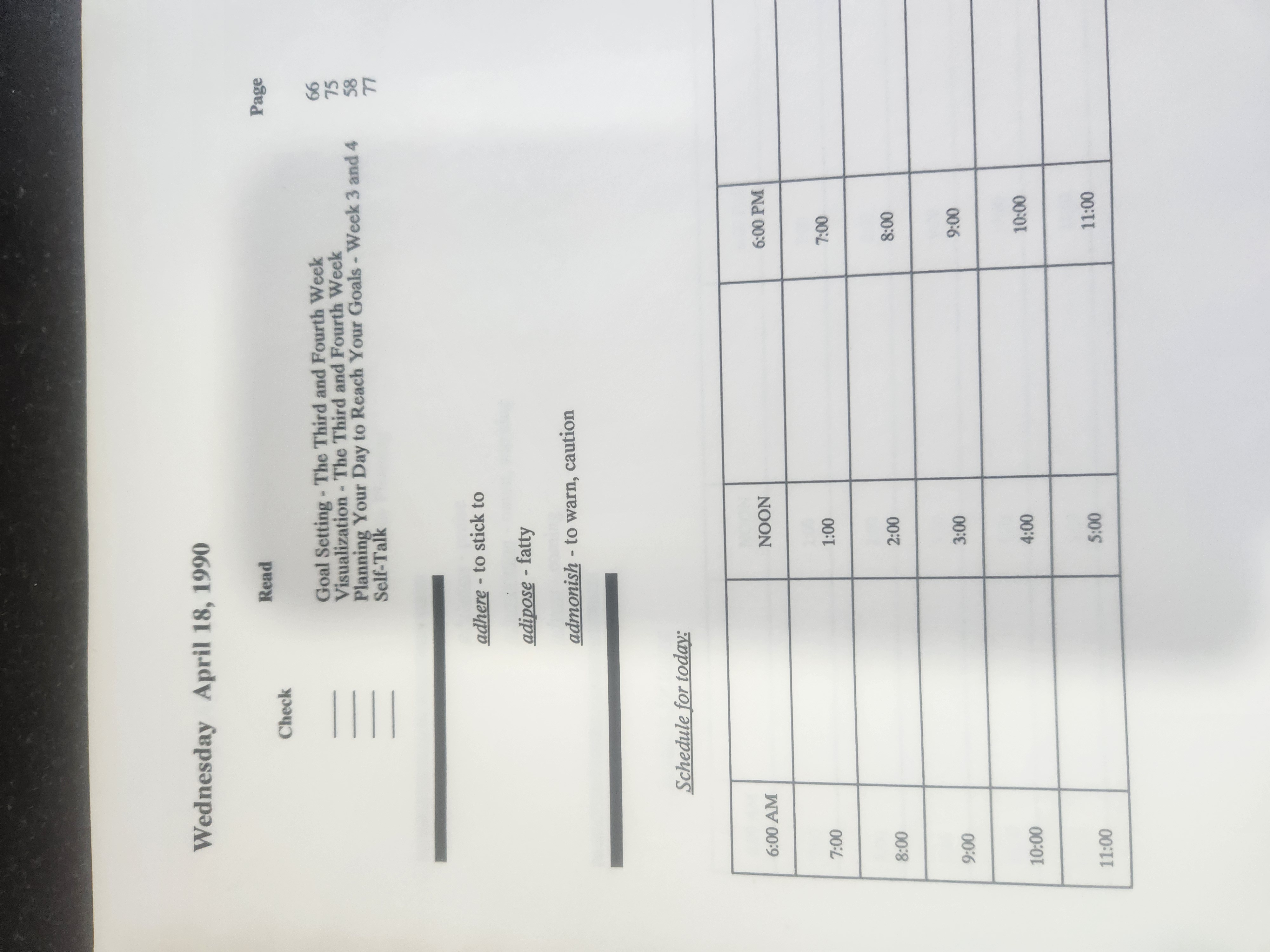
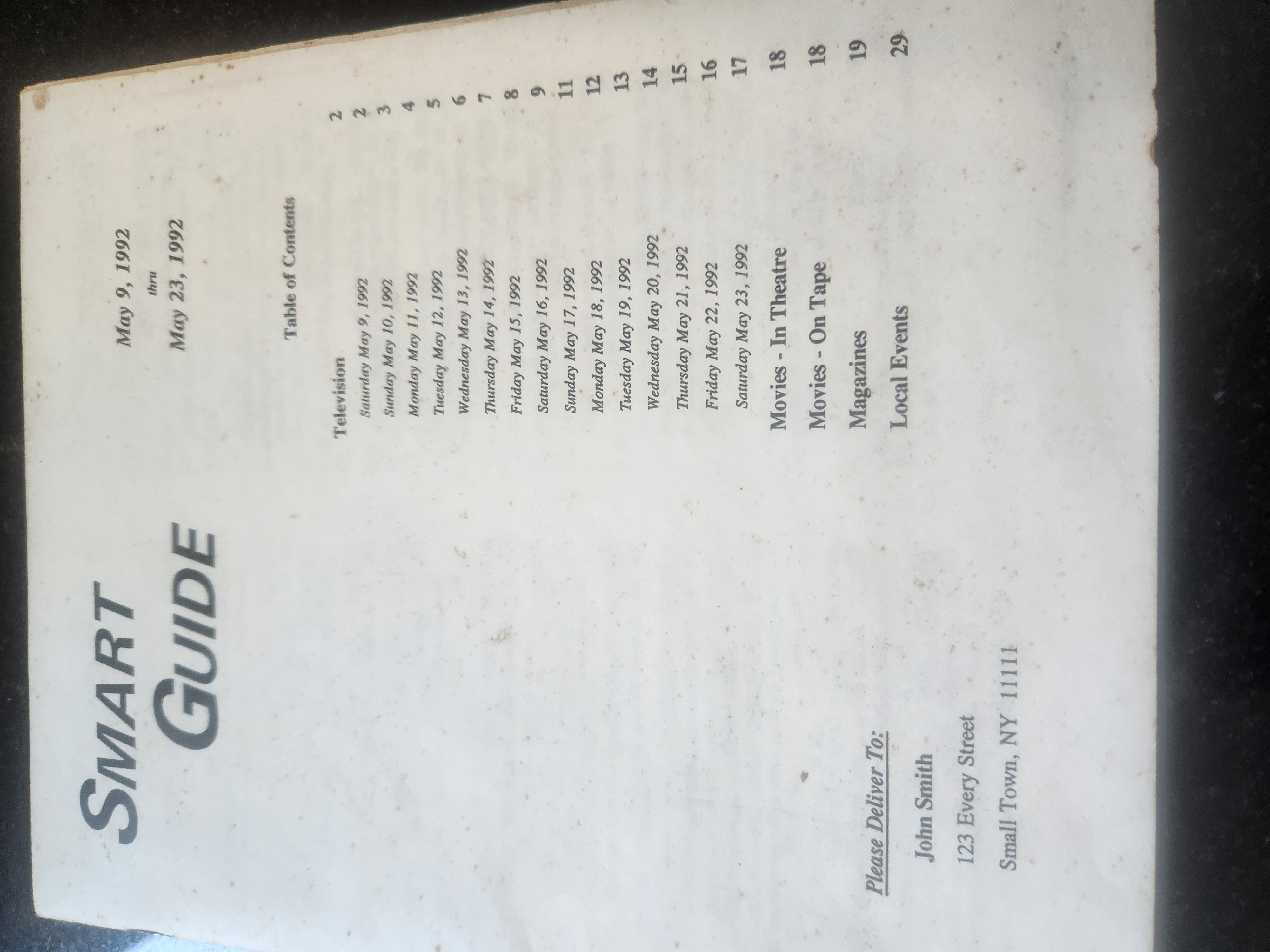
The Athlete's Edge evolved into Smart Guide. This was pre-internet, and cable TV was exploding—we went from 3 channels to 30, and nobody knew what was on. I saw an opportunity.
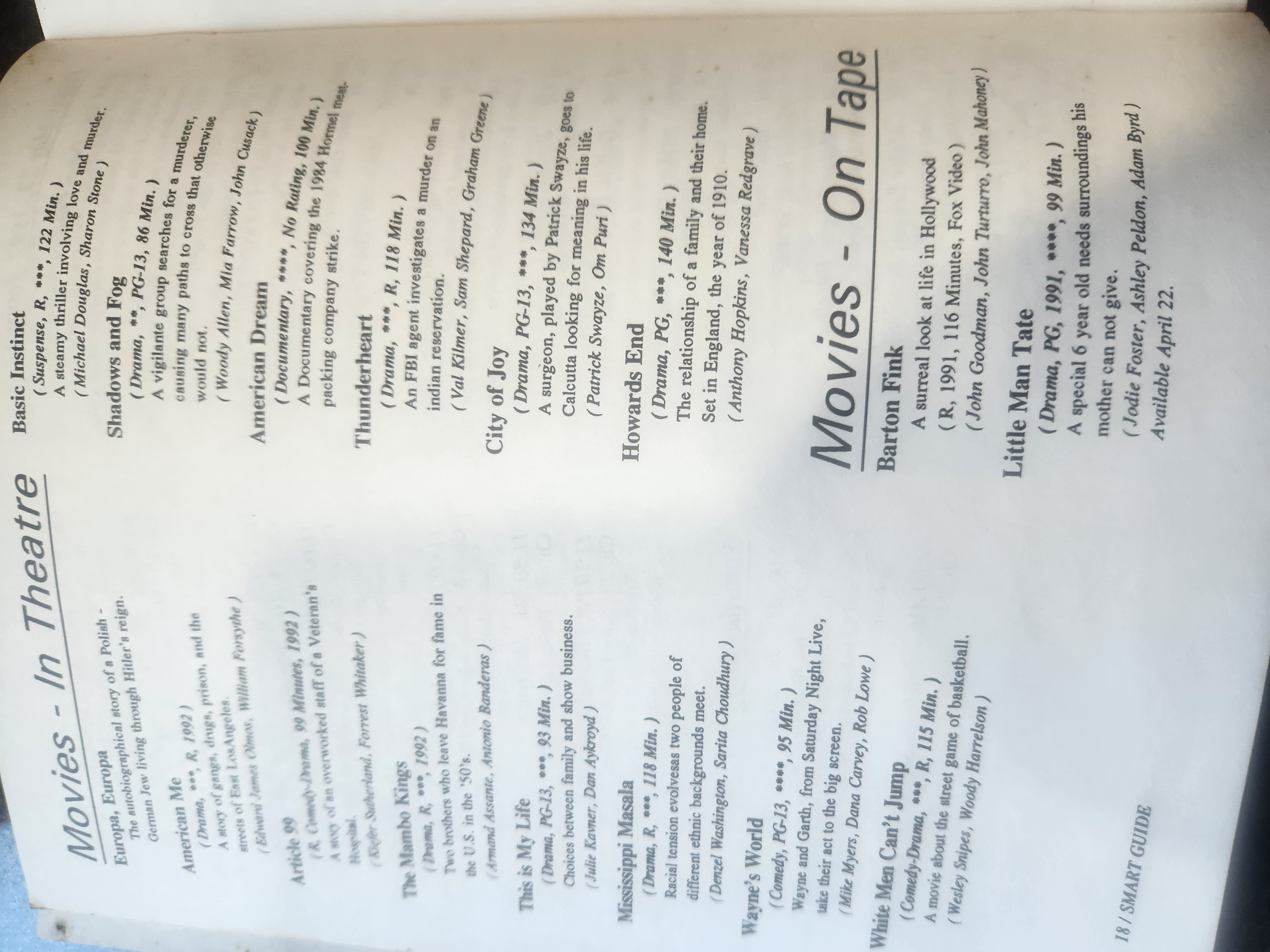
Smart Guide let users fill out a detailed questionnaire about their interests: favorite sports teams, hobbies, movie preferences. I went to Albany and convinced managers at Scripps Howard to send me the weekly TV data they used for their newspaper listings.
Back at my parents' house, I had a 2400 baud modem that downloaded the weekly file overnight. If my parents picked up the phone downstairs, I'd have to start over. "Please don't use the phone" drew a weekly sigh from my mom.
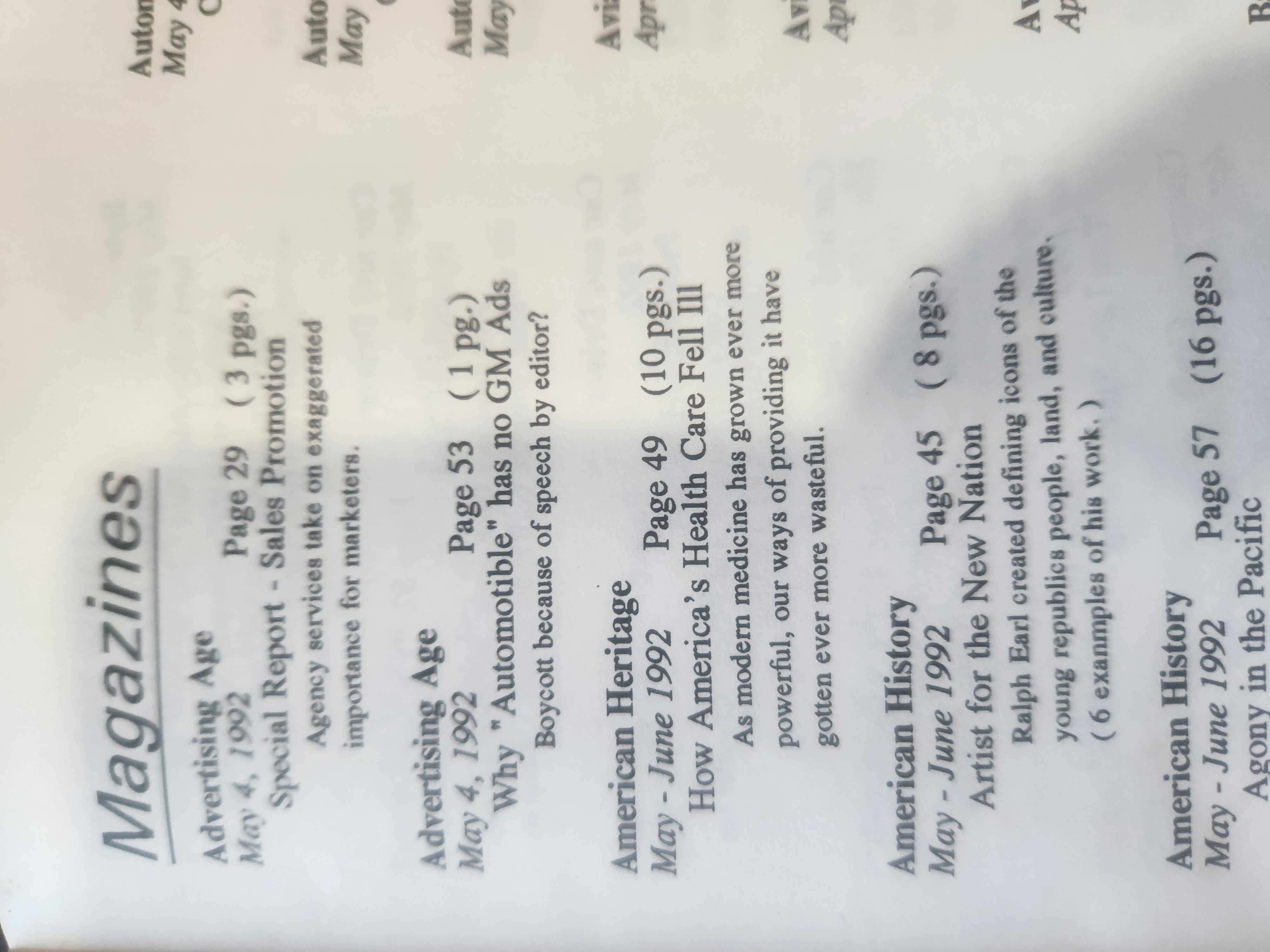
I categorized movies, TV shows, magazine articles, and books. We ran radio ads, and I hand-delivered Smart Guides to subscribers across Western New York every week.
The technical work pushed me deeper: I moved from an Atari ST to a PC with an Intel 386 processor. I learned Assembler so I could store true/false flags at the bit level. I learned dBase III, then Clipper—which could compile dBase into a DOS executable.
Around this time, computers were starting to appear in businesses. My uncle owned a successful feed, seed, and fertilizer business. Getting the billing out each month was painful—his daughter typed invoices on index cards by hand.
It wasn't what I'd planned, but I had the skills from Athlete's Edge and Smart Guide. Compiled dBase III was the tool people were using to build these systems.
It took about a year, but I wrote an early point-of-sale system. This was before UPC codes—we indexed every item in the store, every bulk item from the warehouse, every chemical sold, each with a custom code.
For almost 20 years, I drove to Middleport to oversee the monthly billing and answer my uncle's questions. You don't just build something and walk away.
After completing the point-of-sale system, I noticed "Clipper" appearing in the Sunday job listings. I was still delivering Smart Guides, but the work was long.
I replied to a posting from a local contracting company and had an interview at National Fuel the next day. I brought a Smart Guide and told them about the point-of-sale system. I got the job.
National Fuel's managers were drowning in Excel spreadsheets. The IT group was mainframe-focused—more concerned about getting out monthly bills than helping managers computerize their workflows. A small group of us wrote Clipper applications to convert those monstrous spreadsheets into something more structured and secure.
Friends in IT were leaving for tech hotspots—Boston, Silicon Valley, North Carolina. With family here, I decided to stay in Buffalo.
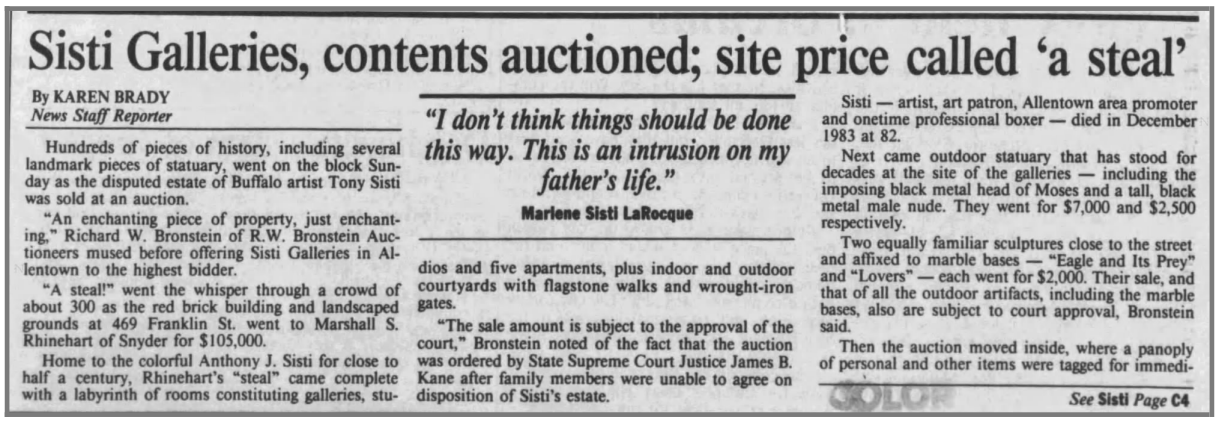
Staying in Buffalo meant I needed to think differently about income. When a seven-unit building came up for auction in Allentown, I bought it. The property was boarded up, but I thought if the city "came back," this neighborhood might be the center of it.
We brought it back: six rental units, plus the space we currently use as a mini makerspace in the back. That's where the IoT hardware gets built today.
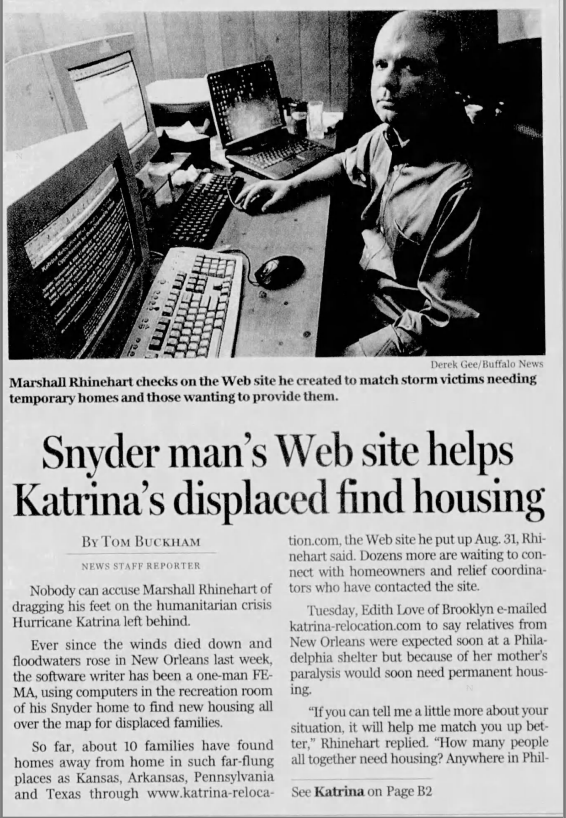
I'd been tinkering with websites as the internet grew. Then Hurricane Katrina hit, and we watched the devastation along with the rest of the country.
My wife asked what we could do—she's a nurse, so pitching in is her first instinct. I went to the basement and bought KatrinaRelocation.com.
We ended up with people offering housing in 40 different states. It helped families who had been out of state when the storm hit but had no home to return to.
The Town of Amherst gave me an award for the project.
Following the Katrina project, I went to work for a hospital in Niagara Falls. I developed a bed management system and other applications in C#.
But all the while, I was interested in returning to bringing ideas to life—building products, not just filling requirements.
Around 2010, I saw a small posting on Craigslist from a teacher who had been operating a website called Super Teacher Worksheets. He'd just been sharing worksheets with fellow teachers, but the site had grown—teachers from around the world were downloading PDFs to print for homework.
Tim understood SEO, and his site ranked highly for teachers looking for homework material. I undertook the project of turning the site from free (but ad-supported) to a subscription model.
The original pages lacked structure, but we needed to keep things consistent to preserve the SEO he'd worked so hard to build. When we finally went live with subscription pages, the response was overwhelming.
I stayed with the project for a number of years, becoming IT Director, before leaving to pursue my own projects. The company continues to operate today at superteacherworksheets.com and was recently sold to private investors.
To fund the current projects and the makerspace, we investigated this new idea called Airbnb. We converted two units from long-term rentals to short-term, and quickly found this was the way to go.
We operated 8 Airbnb units for almost ten years before recently converting back to long-term rentals. During those years, we were Superhosts and full a good part of the year.
Over that time, we hosted close to 25,000 guests—helping create a vibrancy in downtown Buffalo that was new and exciting. Full circle from betting on Allentown when it was boarded up.
While running the Airbnb operations, I started exploring 3D printing and IoT development. What began as tinkering evolved into a serious focus—building hardware products on a shared platform I call DuoCore.
Three IoT devices plus software ventures. The makerspace in Allentown is where it all comes together.
The difference now: AI is woven into every workflow. Not as a gimmick in the product, but as an operating method—from firmware debugging to documentation to customer support.
Same pattern as always: see a problem, build something, figure out how to get it to people. Just with better tools.
What I'm Working On
WispyAlert
Motion detection for what matters
RodentRadar
Smart pest monitoring
Medication Diary
Never miss a dose
MyAlphaPics
ABC learning with family photos